
Water damage · Dallas, TX
Water damage restoration in Dallas, TX
Water damage restoration removes standing water, dries the structure to a measured target and repairs what can't be saved. Drying should start within 24–48 hours, because that's the window before mold growth and swelling become likely.
- Free call, no obligation
- Serving 48 ZIP codes in Dallas
- Independent, local restoration companies
- Documentation for your insurance claim
Most North Texas water losses start inside the house: a failed supply line, a water heater that lets go, or a pipe that froze during a hard freeze. Water runs along slab floors and wicks up drywall and baseboards faster than most people expect.
A restoration crew measures moisture, removes what's too wet to save, and sets air movers and dehumidifiers until readings hit a dry standard. The job is logged with moisture maps and photos, which your insurance adjuster will ask for.
What to do first
- 1.Shut off the water at the main valve or the fixture.
- 2.Turn off power to wet rooms at the breaker if water is near outlets.
- 3.Take photos and video before moving anything.
- 4.Move rugs, electronics and furniture off wet floors.
Water damage restoration at a glance
- Category
- Water damage
- Area
- Dallas, TX
- Urgency
- Start within 24–48 hours
- Who does the work
- Independent local restoration company
Water damage restoration in Dallas: what's different
Dallas water losses split along housing age. In Lakewood, the M Streets and Oak Cliff, pier-and-beam houses let water drain into the crawl space, where it soaks joists and subfloor out of sight. Drying those homes means getting air under the house, not only in the rooms.
In Uptown, Oak Lawn and older garden complexes, a burst supply line on one floor often reaches the units below. The restoration company's moisture maps and photos help sort out which unit and which policy is responsible.
Postwar slab homes in Lake Highlands and Pleasant Grove often have water heaters in hall closets and cast-iron drains under the slab, so a water heater failure or drain crack can wet several rooms before anyone notices.
Signs you need water damage restoration
- Standing water or soaked carpet pad
- Drywall that feels soft or shows a tide line
- Baseboards or laminate starting to swell or cup
- A musty smell a day or two after a leak
- Ceiling stains or sagging below a bathroom or attic unit
How the work is done
- 1
Inspection and moisture mapping
The crew finds the source, classifies the water (clean, gray or black) and maps how far moisture has traveled with meters and thermal imaging.
- 2
Extraction
Truck-mounted or portable extractors pull standing water out of carpet, pad and hard floors.
- 3
Removal and drying
Unsalvageable pad, drywall and insulation come out. Air movers and dehumidifiers run, usually three to five days, with daily readings.
- 4
Repair
Once readings hit the dry standard, drywall, flooring and trim are replaced. Some companies rebuild; others hand off to a contractor.
Before and after
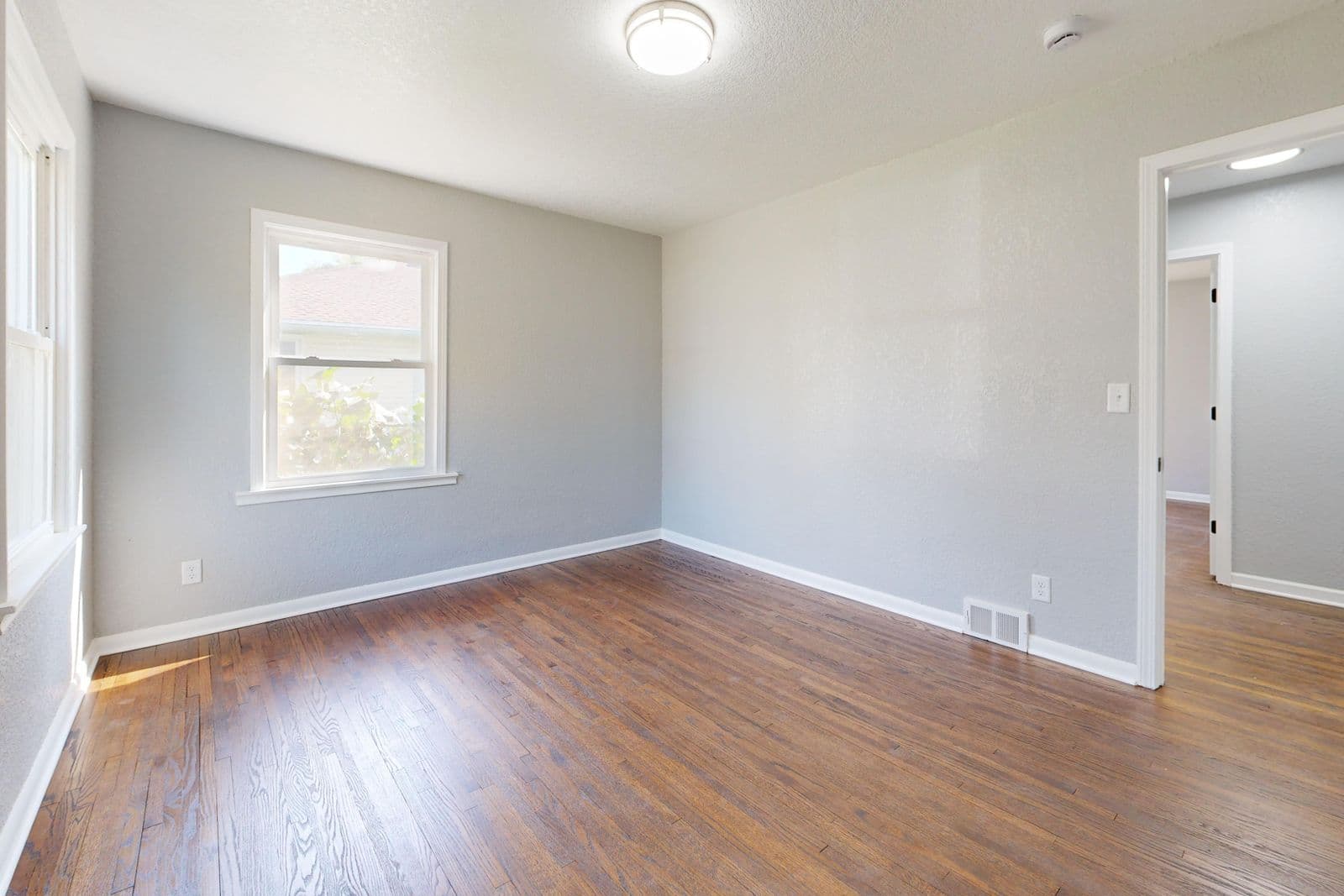
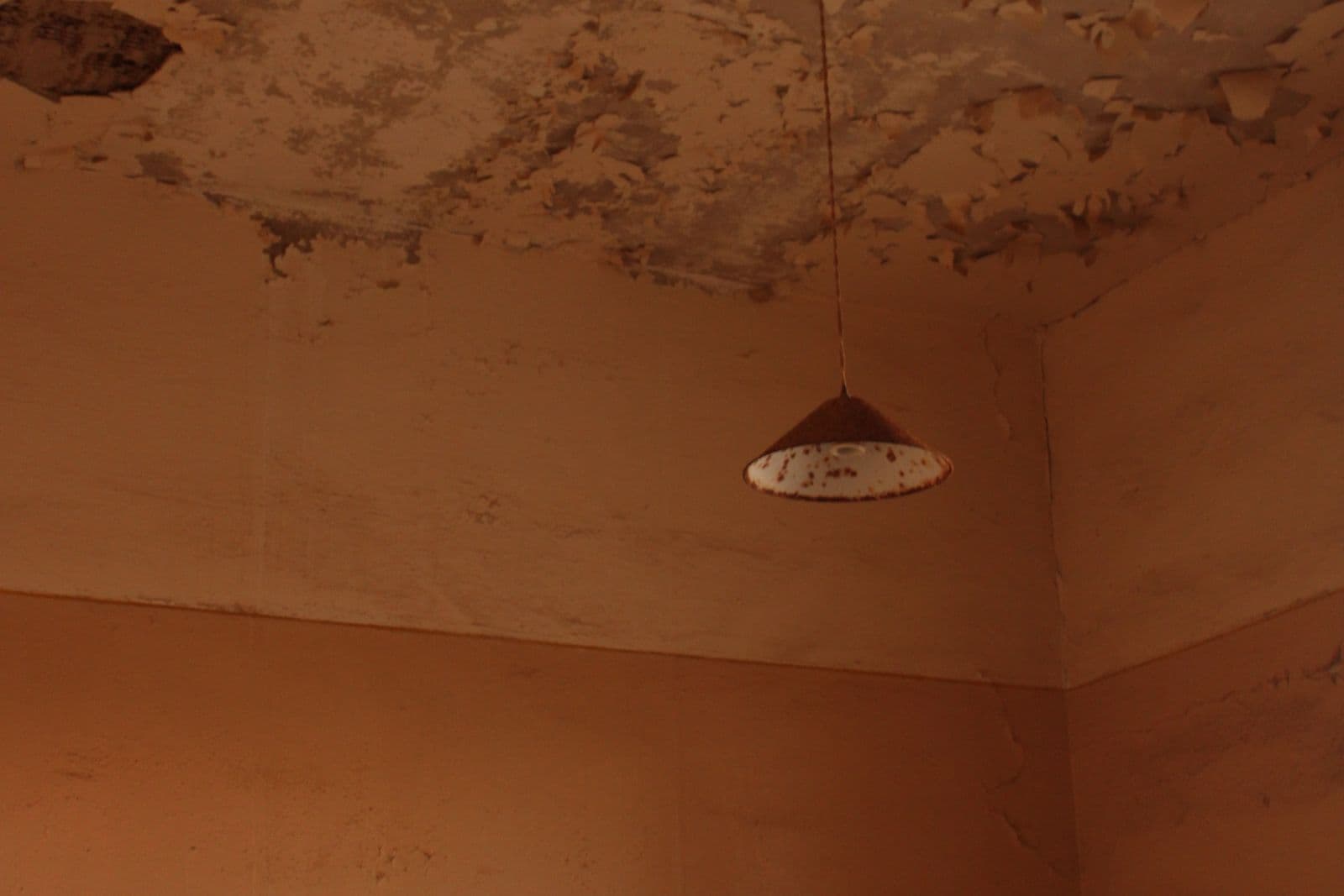
Water-damaged ceiling
Wet drywall and insulation removed, framing dried to a measured standard, then new drywall, texture and paint.
Example photos (stock), not a job by any company on this site.
What affects the cost
Pricing is set by the restoration company after an inspection. These are the factors that move it.
- Water category: clean supply water costs less to handle than sewage
- Square footage and how many rooms or floors are wet
- How long the water sat before drying started
- Materials removed (carpet pad, drywall, cabinets, hardwood)
- Whether repairs are included or handled separately
Safe to handle yourself
- Shut off water and power to the area
- Mop and wet-vac small amounts of clean water
- Open cabinets and run fans on small, recent spills
Stop and call a pro
- Water from a toilet, sewer or flood (contaminated)
- Water inside walls or under hardwood or laminate
- Anything wet for more than 48 hours
- Sagging ceilings
Water damage restoration FAQ
How fast can a restoration crew reach my Dallas home?
It depends on the company serving your ZIP code and the time of day. When you call, ask for a realistic arrival window and whether they can start extraction on the first visit.
Does Dallas Water Utilities pay for water damage from a main break?
Claims for damage caused by city infrastructure go through the City of Dallas claims process and aren't automatic. File with your own insurer too.
How long does it take to dry a house after water damage?
Most homes take three to five days of drying with commercial equipment. Hardwood, plaster and dense materials can take longer; the crew should confirm dryness with meter readings, not by feel.
Does homeowners insurance cover water damage in Texas?
Standard Texas policies usually cover sudden and accidental water damage, such as a burst pipe. They usually exclude gradual leaks and flood water from outside, which needs a separate flood policy. Check your declarations page and call your insurer early.
Can I stay in my house during drying?
Often yes, if the loss is clean water and limited to part of the home. The equipment is loud and warm. Sewage losses, large losses or anything needing containment may mean staying elsewhere.
More about restoration in Dallas, TX, or see water damage restoration across DFW.
Related
Often needed with this
Need water damage restoration in Dallas?
Free call, no obligation. One call connects you with a local, independent restoration company.