
Mold
Mold remediation in Dallas–Fort Worth
Mold remediation fixes the moisture source, contains the area, removes moldy porous materials, cleans the rest and verifies the result. In Texas, jobs of 25 contiguous square feet or more fall under TDLR licensing rules.
- Free call, no obligation
- Serving 22 DFW cities
- Independent, local restoration companies
- Documentation for your insurance claim
Mold needs moisture. In North Texas that's usually a slow plumbing leak, an attic AC unit sweating, or water damage that wasn't dried fully. Humid summers make it worse.
Texas rules matter here: for regulated projects, a licensed mold assessor writes the protocol and a separate licensed remediation company does the work. The same company can't do both on one project.
What to do first
- 1.Find and stop the moisture source.
- 2.Don't disturb or dry-brush visible growth.
- 3.Close the room and keep HVAC air from blowing through it.
- 4.Photograph the area.
Mold remediation at a glance
- Category
- Mold
- Area
- Dallas–Fort Worth
- Urgency
- Schedule soon; fix the moisture source now
- Who does the work
- Independent local restoration company
Signs you need mold remediation
- Visible black, green or white growth
- Musty smell in one room or closet
- Stains that keep coming back after cleaning
- Peeling paint or warped drywall
- Allergy-like symptoms that ease when you leave home
How the work is done
- 1
Assessment
For projects of 25+ contiguous square feet, a TDLR-licensed assessor inspects and writes a remediation protocol.
- 2
Containment
Plastic barriers and negative air pressure keep spores from spreading.
- 3
Removal and cleaning
Moldy drywall and insulation are removed; framing is cleaned and HEPA-vacuumed.
- 4
Clearance
The assessor verifies the result. Passing projects receive a Certificate of Mold Damage Remediation.
Before and after
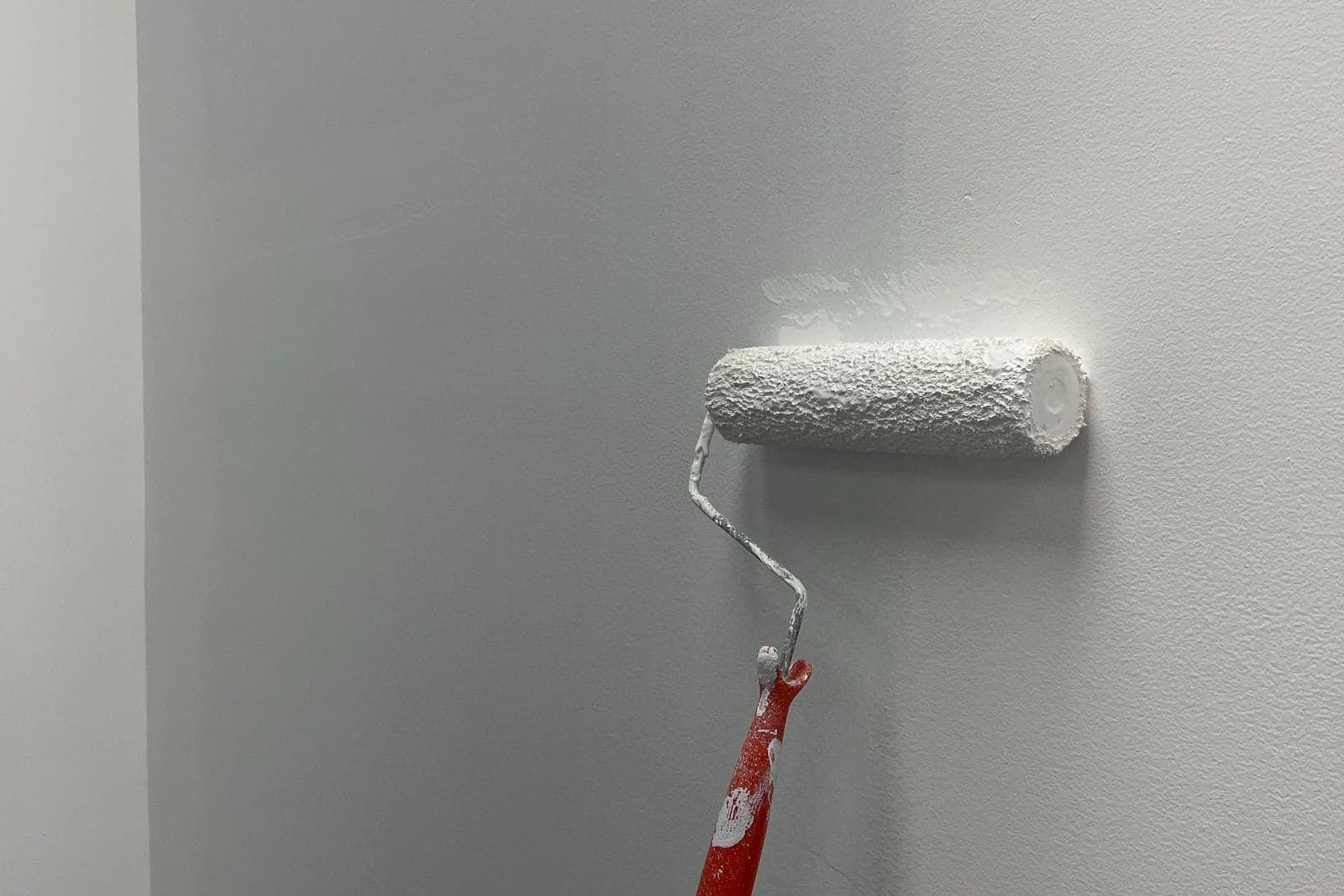
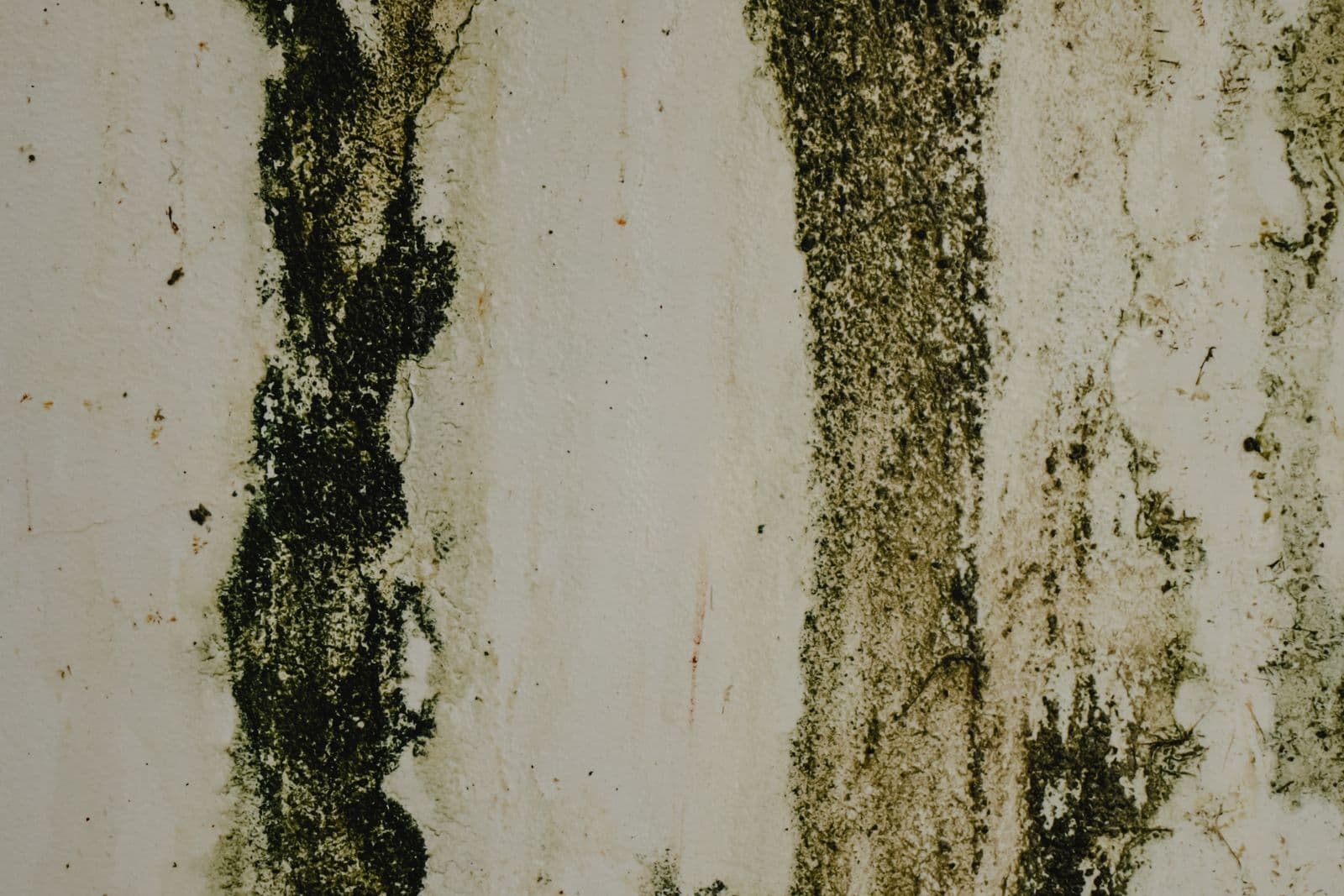
Mold on a wall
Moisture source fixed, area contained, moldy material removed and cleaned, then clearance and fresh paint.
Example photos (stock), not a job by any company on this site.
What affects the cost
Pricing is set by the restoration company after an inspection. These are the factors that move it.
- Square footage of growth
- Location (attic, wall cavity, crawl space, HVAC)
- Assessment and clearance testing fees
- Materials removed and rebuilt
- Fixing the moisture source
Safe to handle yourself
- Small spots (under 10 sq ft) on hard surfaces, cleaned with detergent and water
- Running a dehumidifier
- Fixing a small leak
Stop and call a pro
- Growth larger than a few square feet
- Mold inside walls or HVAC
- Mold after sewage or flood water
- Anyone in the home with asthma or a weak immune system
Mold remediation FAQ
Do I need a mold test before remediation?
For regulated Texas projects (25 contiguous sq ft or more), a licensed assessor inspects and writes the protocol. Lab sampling isn't always needed to confirm visible mold, but it's commonly used for clearance.
Does bleach kill mold?
Bleach can whiten mold on hard, non-porous surfaces but doesn't penetrate drywall or wood. The EPA recommends removing moldy porous materials and cleaning hard surfaces with detergent and water.
Does insurance cover mold removal in Texas?
Many Texas policies limit or exclude mold unless it resulted from a covered sudden water loss. Coverage caps are common. Review your policy's mold endorsement.
Related
Often needed with this
Need mold remediation in DFW?
Free call, no obligation. One call connects you with a local, independent restoration company.